
Skip to content

In Search of a Milk Alternative

Milk That Won’t Leave You Bloated: Finding the Right Dairy (or Dairy-Free) Option for You

Dec 17th, 2025

Published By: Noël Bryant, B.A.


Low-fat cow’s milk has a solid nutrition résumé — calcium, protein, and key vitamins — and it hits perfectly on a bowl of cereal. But let’s be honest: cow’s milk isn’t for everybody. Some folks just don’t rock with it, and others can’t break down lactose, the natural sugar in milk. The result? Bloating, gas, stomach cramps, or worse. Whether you’re lactose-intolerant or just lactose-sensitive, milk can feel like more trouble than it’s worth.

The good news? You’ve got options. The key is choosing the right one and actually reading the label. Skip milk alternatives loaded with added sugar (looking at you, vanilla and chocolate flavors) and focus on versions that keep your stomach — and your health — in check.

Here’s the breakdown.


Lactose-Free Milk


This is usually the first stop for people who don’t do well with regular milk. Lactose-free milk has lactase added to it, an enzyme that helps your body break down lactose more easily. Nutritionally, it’s basically the same as regular milk — minus the gut drama. Stick with low-fat versions, though. Full-fat milk (lactose or not) is high in saturated fat, which can push up LDL (“bad”) cholesterol. One thing to note: if you have a true milk allergy, lactose-free milk still won’t work for you.
 

Ultra-Filtered Milk


You’ve probably seen this popping up more lately — and it’s a legit option. Ultra-filtered milk is cow’s milk that’s been pushed through a special filter to remove water and lactose. What’s left? More protein and calcium, less sugar, and zero lactose. It comes in different styles (low-fat, organic, even ice cream versions), but keep it clean: look for brands without added sugar or artificial ingredients.
 

Nut Milks


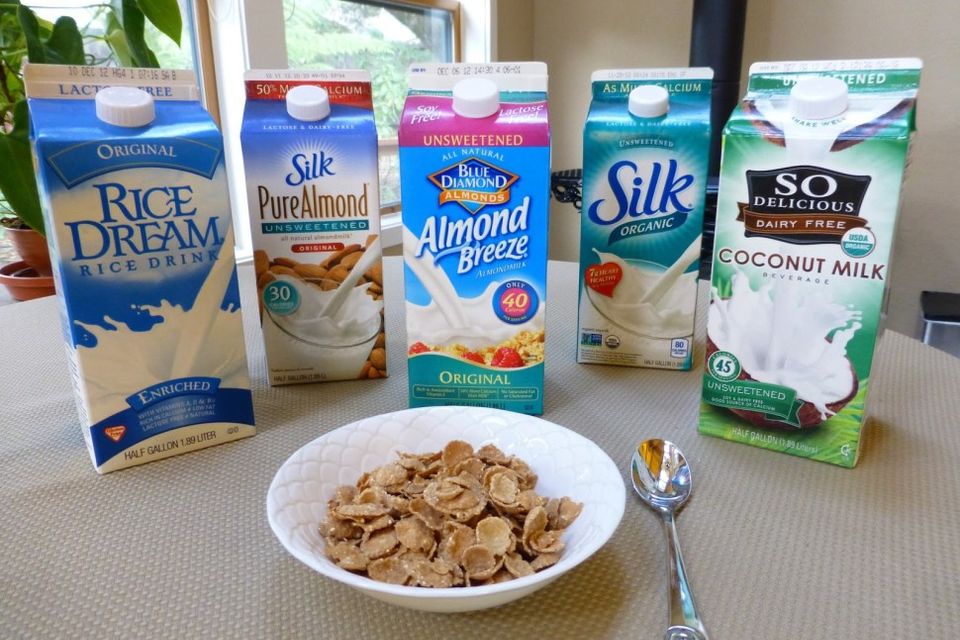
Almond, walnut, pistachio, hazelnut — nut milks are naturally lactose-free, soy-free, and gluten-free. They’re low in calories and fat, and the fats they do have are mostly unsaturated (the good kind). The downside?  Protein and calcium are lacking unless the milk is fortified. Even then, almond milk usually tops out around 5 grams of protein per cup, compared to 8 grams in cow’s or soy milk. Also check the ingredient list for carrageenan, a seaweed-based thickener. It’s FDA-approved, but it can mess with some people’s digestion.
 

Grain and Seed Milks


Think rice, oat, quinoa, and hemp milk. These tend to be higher in carbs and sugar than other milk alternatives. For example, one cup of rice milk can have over 20 grams of carbs — more than double what you’ll find in soy milk.
If you have diabetes or prediabetes, that extra sugar can spike blood glucose and fuel inflammation over time. Like nut milks, grain and seed milks are usually low in protein and calcium, so fortified versions are a must.


Soy Milk


Soy milk is one of the closest matches to dairy milk nutritionally. It’s got similar fat content to 1% milk and packs about 8 grams of protein per cup. That said, soy contains oligosaccharides — another type of sugar that can cause digestive issues for some people. Soy also acts as a weak estrogen, which raises questions for women at higher risk for hormone-sensitive cancers. The science isn’t settled, but many experts suggest keeping soy milk to one serving per day and checking with a healthcare provider if you have concerns.
 

The takeaway


If regular milk leaves you uncomfortable, you don’t have to give up cereal, smoothies, or coffee creamer dreams. There’s a milk option out there that won’t have your stomach fighting back. Just keep it simple: avoid added sugars, choose fortified versions when needed, and pick what works best for your body. Your gut will thank you. 🥛

 
Milk alternatives 1

🥛 Which Milk Is Best for You?

Choose based on your goals, taste, and how your body reacts.

👉 If you want high protein:

Fairlife 2% Ultra-Filtered Milk
Great for muscle support and staying full longer with 13g of protein per cup.

👉 If you’re lactose-sensitive:

Lactose-Free or Ultra-Filtered Milk
Easier on digestion without giving up calcium and protein.

👉 If you want the lowest calories:

Oat Milk or Almond Milk
Light options that work well in cereal, smoothies, or coffee.

👉 If you’re dairy-free but want balance:

Soy Milk
Closest match to dairy milk with solid protein and nutrients.

👉 If you’re watching sugar:

Unsweetened Almond Milk
Naturally low in sugar — just check labels to avoid added sweeteners.

👉 If bone health is your focus:

Fortified Almond or Oat Milk
Often higher in calcium than regular milk.

💡 Quick tip: Always read the nutrition label. Look for minimal added sugar, solid protein, and fortified calcium — and choose what feels best for your body.